










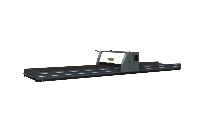
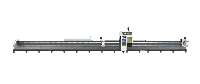

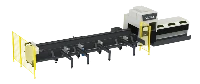










Construction Engineering Industry: J Construction Group
Problem:
The customer needed to cut large-size plates and ultra-thick plates, while also handling complex bevel cutting for steel structure applications.
Equipment Model:
HG Ultra-High Power Laser Cutting Machine
HG Ultra-High Power Laser Cutting Machine

Sheet Metal Processing Industry: G Metal Products Company
Problem:
As demand for metal enclosures, electrical cabinets, hardware products, and custom sheet metal components continued to increase, the customer needed to improve production efficiency, shorten lead times, and maintain consistent cutting quality.
Traditional processing methods faced limitations in cutting speed, production capacity, and efficiency when handling large volumes of sheet metal parts, making it difficult to meet growing market demand.
Traditional processing methods faced limitations in cutting speed, production capacity, and efficiency when handling large volumes of sheet metal parts, making it difficult to meet growing market demand.
Equipment Model:
HG Ultra-High Power Laser Cutting Machine
HG Ultra-High Power Laser Cutting Machine

Subway Industry: D Rail Transit Group
Problem:
The rail transit industry requires efficient processing of various pipe specifications for subway stations, ventilation ducts, fire protection pipelines, support structures, and other related components.
The rail transit industry requires efficient processing of various pipe specifications for subway stations, ventilation ducts, fire protection pipelines, support structures, and other related components.
Equipment Model:

Fire Truck Industry: H Company
Problem:
Fire truck manufacturing requires high precision and stable processing for frame structures, piping systems, protective supports, and special components.
Equipment Model:

Engineering Machinery Industry: A Heavy Industry
Problem:
As production demand for aerial work platforms and heavy equipment continued to grow, the customer needed a more efficient solution for processing H-beams, I-beams, square tubes, angle steel, and structural steel components. Traditional manufacturing processes involving punching, sawing, drilling, and grinding required multiple operations, resulting in lower efficiency, higher labor costs, and inconsistent production quality.
Equipment Model:

Tube Processing Service Industry: C Tube Processing Company
Problem:
The customer was using traditional dual-chuck laser tube cutting machines, which resulted in tail material waste, lower material utilization, limited bevel cutting capability, and reduced production efficiency. As production volume increased, improving automation and reducing operating costs became critical.
Equipment Model:

Smart Furniture Manufacturing Industry: A Smart Furniture Company
Problem:
As production demand continued to grow, the customer needed to improve both tube and sheet metal processing efficiency while maintaining product consistency across multiple manufacturing facilities. Traditional production methods faced challenges in batch processing, labor dependency, and standardized manufacturing of furniture frames and structural components.
Equipment Model:

Engineering Machinery Industry: L Company
Problem:
As production demand for construction machinery continued to grow, the customer needed to improve processing efficiency for structural steel components, thick plates, and machine frame parts. Traditional fabrication methods faced challenges in cutting speed, production consistency, material utilization, and large-scale manufacturing requirements.
Equipment Model:

Bridge Engineering Industry: B Bridge Equipment Group
Problem:
Bridge engineering equipment manufacturing requires processing large-format steel plates, thick structural components, and heavy-duty welded assemblies used in bridge construction, offshore wind power projects, and large infrastructure developments.
Traditional cutting methods often face challenges such as low processing efficiency, thermal deformation, inconsistent cutting quality, and high secondary processing costs when handling thick carbon steel and oversized plates.
Traditional cutting methods often face challenges such as low processing efficiency, thermal deformation, inconsistent cutting quality, and high secondary processing costs when handling thick carbon steel and oversized plates.
Equipment Model:

Smart Furniture Manufacturing Industry: A Smart Furniture Company
Problem:
As production demand continued to grow, the customer needed to improve both tube and sheet metal processing efficiency while maintaining product consistency across multiple manufacturing facilities. Traditional production methods faced challenges in batch processing, labor dependency, and standardized manufacturing of furniture frames and structural components.
Equipment Model: