











How Fiber Laser Cutting Improves Efficiency in Metal Parts Manufacturing
Introduction
Metal parts are widely used across industries such as construction machinery, automotive manufacturing, fitness equipment, steel structures, electrical cabinets, and OEM fabrication.
As product designs become more complex and production requirements continue to increase, manufacturers are seeking faster and more precise methods for processing metal components.
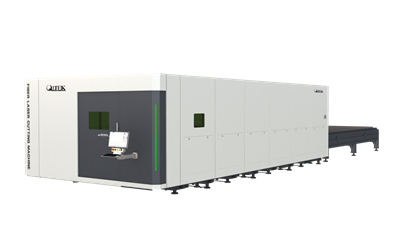
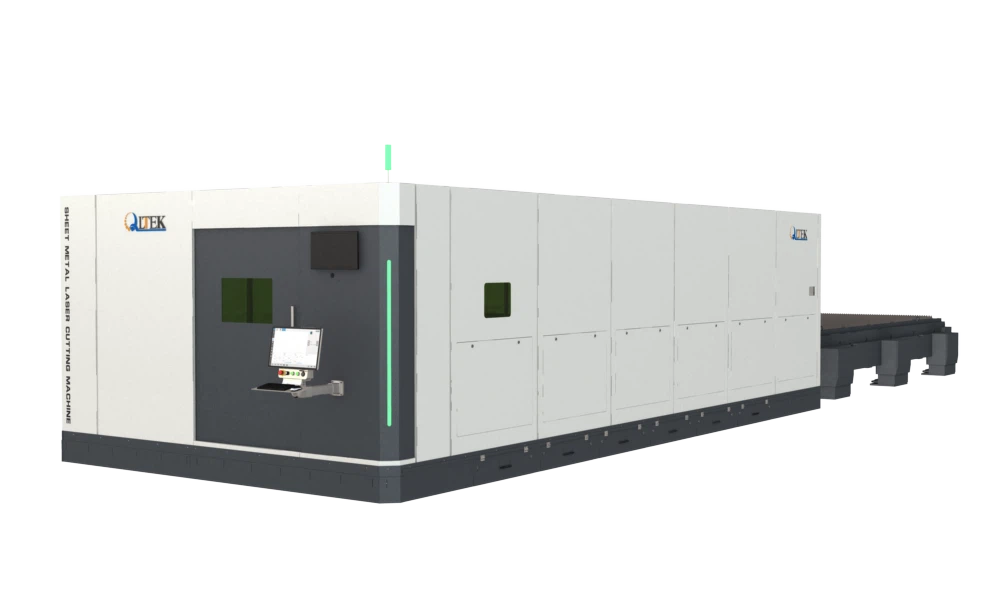
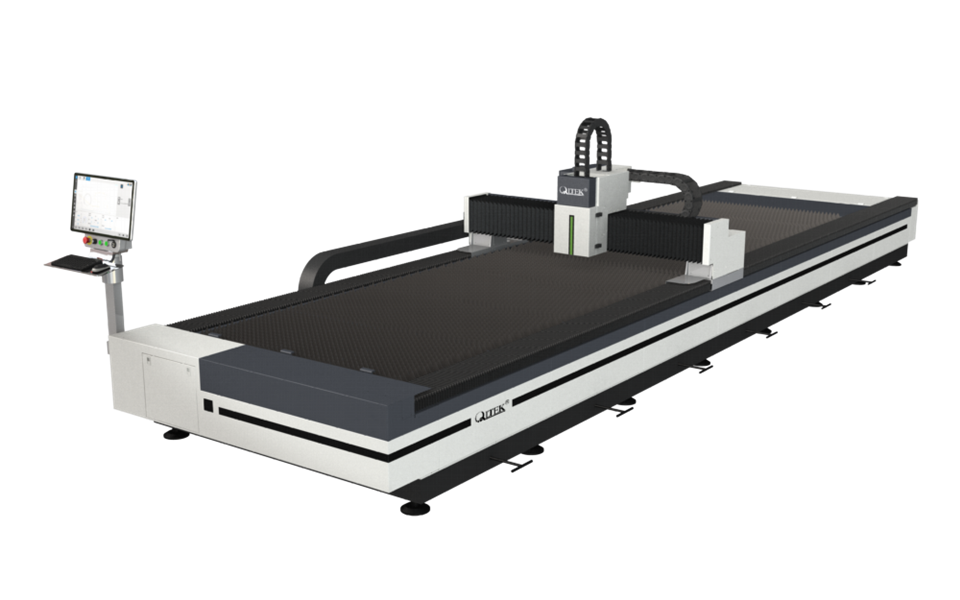
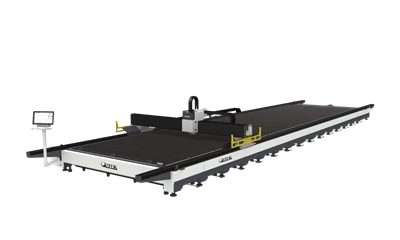
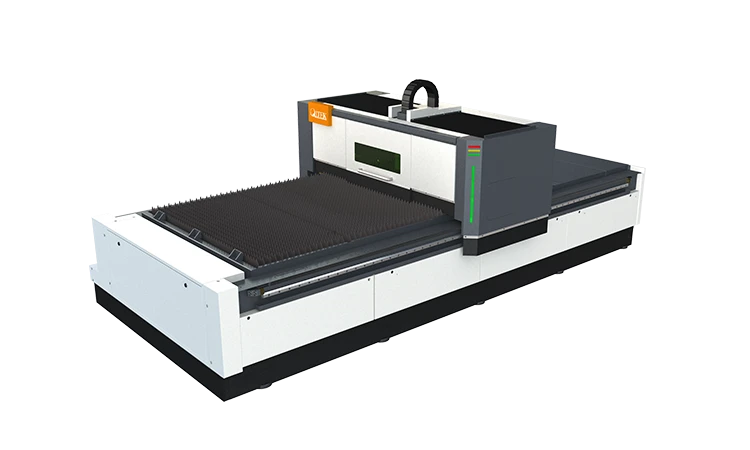
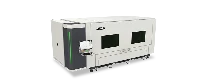
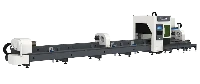
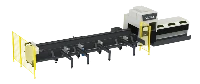
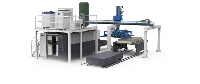
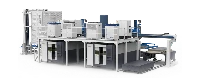
Fiber laser cutting technology has become one of the most efficient solutions for producing high-quality metal parts with improved accuracy, productivity, and material utilization.
Common Challenges in Metal Parts Manufacturing
Manufacturers processing metal parts often face several production challenges:
Complex part geometries and irregular shapes
High precision requirements for assembly components
Large production volumes with tight delivery schedules
Material waste during conventional cutting processes
Secondary grinding and finishing requirements
Maintaining consistency across batch production
Traditional methods such as mechanical punching, sawing, and plasma cutting may struggle to meet modern manufacturing requirements for both efficiency and precision.
Conclusion
As manufacturing industries continue to demand higher precision, faster delivery, and lower production costs, fiber laser cutting technology plays an increasingly important role in metal parts fabrication.
By improving cutting accuracy, reducing material waste, and increasing production efficiency, fiber laser cutting machines help manufacturers achieve more competitive and flexible production capabilities for a wide range of industrial applications.
For companies involved in OEM manufacturing, sheet metal fabrication, automotive production, and industrial equipment manufacturing, laser cutting technology provides a reliable solution for high-quality metal parts processing.