





How Multiple Fiber Laser Cutting Machines Improve Fitness Equipment Manufacturing Efficiency
Project Background
As the global fitness equipment market continues to expand, manufacturers are under increasing pressure to deliver high-quality products while reducing production costs and shortening lead times. Modern fitness equipment requires precise processing of both sheet metal and structural tubes to ensure strength, appearance, and dimensional consistency.
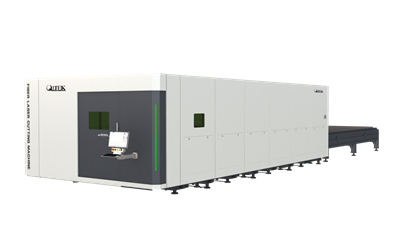
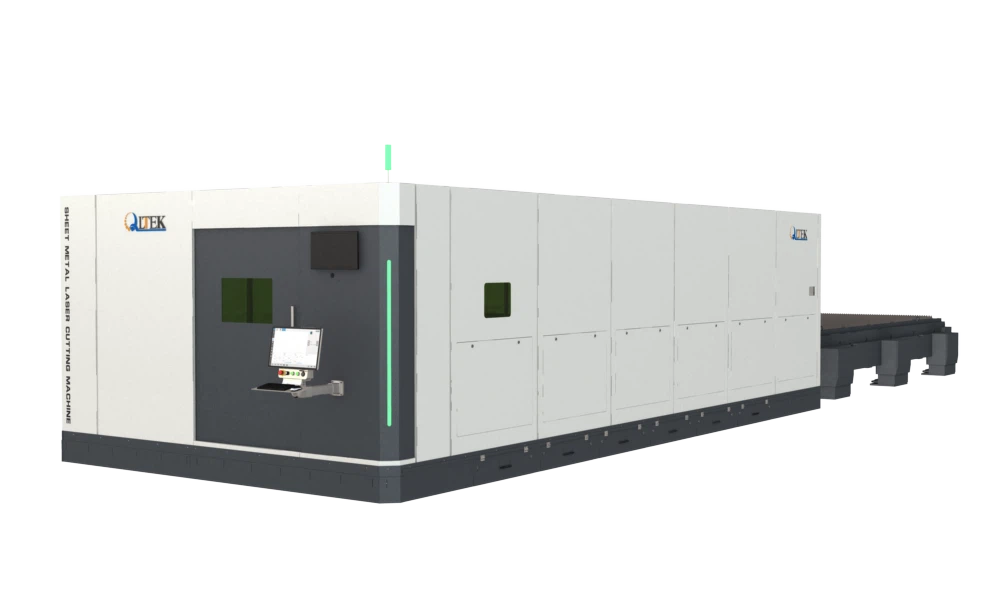
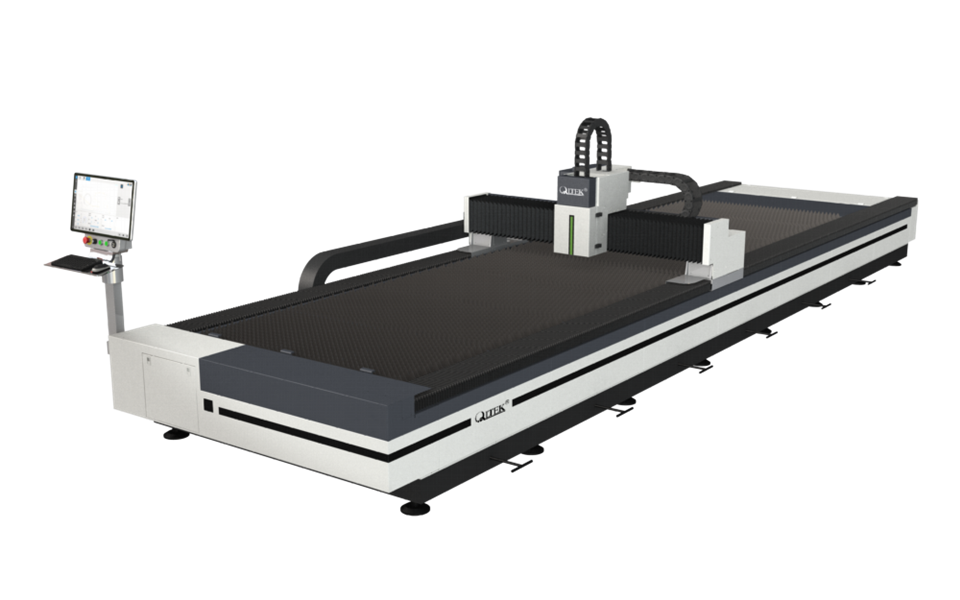
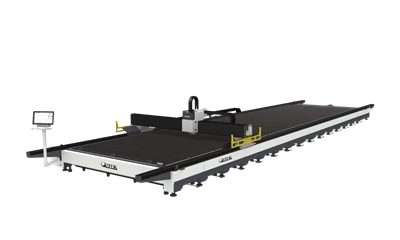
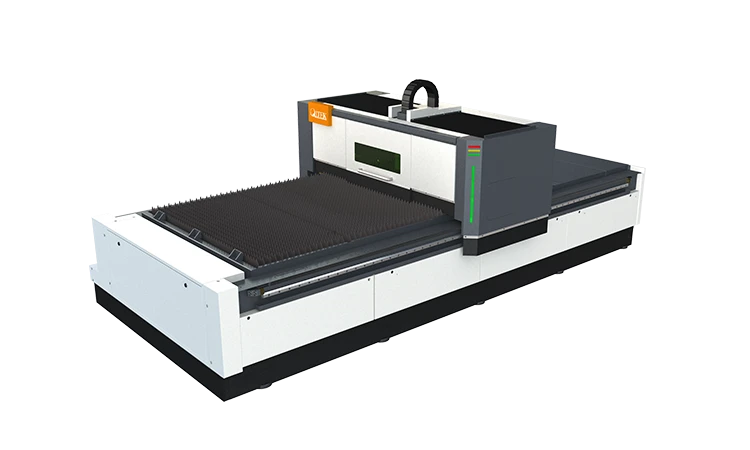
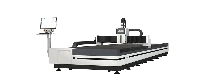
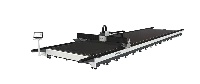
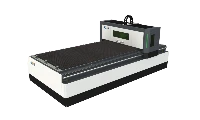
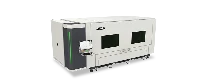
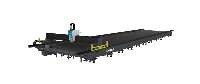
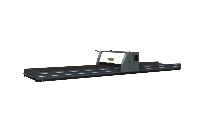
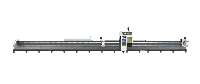
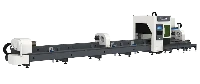
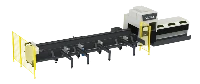
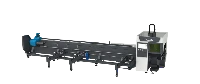
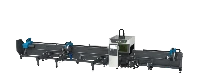
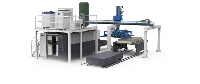
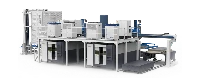
Recently, A Leading Fitness Equipment Manufacturer (Company Y) in Vietnam upgraded its production capacity by purchasing multiple QLTEK GI4020 High-Speed Fiber Laser Cutting Machines and L2 Dual-Chuck Laser Tube Cutting Machines. The new equipment will support the company's growing demand for intelligent manufacturing while improving the efficiency of both sheet metal and tube processing.
Industry Challenges
Fitness equipment manufacturers process a wide variety of components, including:
Equipment frames
Structural support tubes
Steel brackets
Sheet metal covers
Reinforcement plates
Functional metal components
Traditional manufacturing methods often involve multiple processing steps, resulting in:
Lower production efficiency
Higher labor costs
Material waste
Inconsistent product quality
Longer production cycles
Difficulty meeting large-volume export orders
As international demand continues to grow, manufacturers require more automated and flexible production solutions.
QLTEK Solution
To support future business expansion, Company Y selected multiple QLTEK GI4020 High-Speed Fiber Laser Cutting Machines together with L2 Dual-Chuck Laser Tube Cutting Machines, creating an integrated production solution for sheet metal and tube fabrication.
The GI4020 machines are responsible for processing sheet metal parts such as equipment panels, brackets, reinforcement plates, and structural components, while the L2 tube laser cutting machines efficiently process round tubes, square tubes, rectangular tubes, and frame components used throughout the company's product portfolio.
The combined solution enables continuous production with higher precision, improved material utilization, and greater manufacturing flexibility.