










Introduction

What Are High-Speed and High-Power Fiber Laser Cutting Machines?
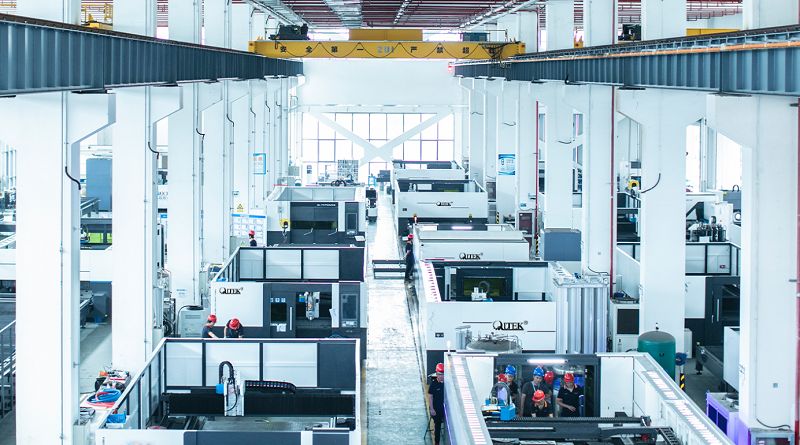
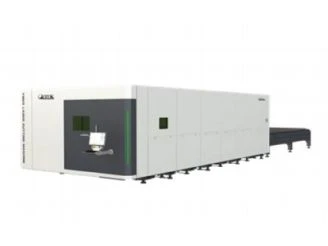
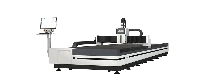
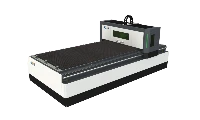
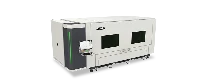
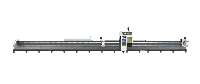
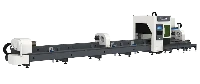
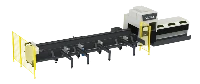
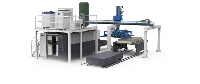
High-speed and high-power fiber laser cutting machines use focused laser beams to cut metal sheets, but their configurations are designed around different performance priorities.
High-Speed Fiber Laser Cutting Machines
High-speed fiber laser cutting machines are designed to improve processing efficiency through rapid axis movement, responsive motion control, and efficient cutting-path execution. Their performance is particularly relevant when processing large batches of parts with frequent changes in direction, where acceleration and non-cutting time can influence overall production cycles.

High-Power Fiber Laser Cutting Machines
High-power fiber laser cutting machines use higher laser output to support demanding cutting tasks, including the processing of thicker metal sheets. Their suitability depends on material type, thickness, required edge quality, and process parameters rather than laser power alone.

What Are the Key Differences Between High-Speed and High-Power Fiber Laser Cutting Machines?
Although both machine types use fiber laser technology, their performance priorities, processing capabilities, and operating requirements can differ. Buyers should compare the following factors instead of relying on a single specification.
|
Comparison Factor |
High-Speed Fiber Laser Cutting Machines |
High-Power Fiber Laser Cutting Machines |
|
Primary Objective |
Improve processing efficiency and reduce cycle time |
Increase cutting capability for demanding applications |
|
Main Performance Focus |
Axis speed, acceleration, motion response, and cutting-path execution |
Laser output, material thickness, and cutting-process stability |
|
Thin and Medium Sheet Processing |
Can be suitable when rapid processing and high throughput are priorities |
Can also process these materials, depending on the selected power and settings |
|
Thick Sheet Processing |
Suitability depends on laser power and material requirements |
Higher laser output can support more demanding thickness requirements |
|
Structural Requirements |
Lightweight moving components and stable machine construction support dynamic performance |
Rigid machine construction and appropriate auxiliary systems support demanding processing conditions |
|
Production Considerations |
Actual cycle time, batch size, and part geometry |
Cutting capability, processing speed at the target thickness, and auxiliary requirements |
|
Key Selection Priority |
Overall production throughput |
Required cutting performance and material range |
What Factors Should Buyers Consider When Choosing Between High-Speed and High-Power Fiber Laser Cutting Machines?
The best choice depends on the materials being processed, the parts being produced, and the production targets the machine must meet.
Material Type and Thickness
Buyers should identify the types of metal and thickness ranges they process most frequently. Higher laser power can improve cutting capability for demanding thicknesses, but the required output also depends on material properties, cutting quality, and process settings.
Production Volume and Part Geometry
For high-volume production, cycle time depends on more than maximum axis speed. Part size, cutting-path complexity, acceleration, piercing time, and the number of parts processed per sheet all influence productivity. Buyers should evaluate actual processing performance using representative parts.
Required Cutting Quality and Precision
Edge quality, dimensional tolerance, heat-affected areas, and consistency may matter more than maximum speed or power in certain applications. Buyers should confirm that the machine can meet their quality requirements at the intended material thickness and production rate.
Total Operating and Investment Costs
Equipment price is only one part of the investment. Laser power consumption, assist gas, consumables, maintenance, extraction systems, and expected machine utilization can all affect operating costs. Comparing these factors against actual production requirements helps buyers assess long-term value.
What Are the Benefits of Choosing the Right Fiber Laser Cutting Machine?
Matching machine capabilities to production needs helps manufacturers balance output, cut quality, and operating costs.
- Higher Production Efficiency - Selecting equipment suited to part geometry and batch volume can reduce unnecessary processing time and improve production planning.
- More Appropriate Cutting Capability - Matching laser output to the materials and thicknesses being processed helps avoid under-specifying or over-specifying equipment.
- More Consistent Processing Results - Considering motion performance, machine stability, and process control helps manufacturers meet required quality standards.
- Better Control of Operating Costs - Evaluating energy, consumables, maintenance, and utilization provides a more realistic view of long-term equipment costs.
- Greater Flexibility for Future Production - Considering anticipated changes in material thickness, product mix, and order volume helps buyers select equipment that can accommodate future requirements.
Conclusion
High-speed and high-power fiber laser cutting machines serve different production priorities, but neither is universally better than the other. High-speed models are worth considering when motion performance and production throughput are key concerns, while high-power models may be more suitable when cutting demanding material thicknesses is a priority. Buyers should compare actual processing results, required cutting quality, and total operating costs before making a decision. QLTEK provides fiber laser cutting machine options for different sheet metal processing requirements. Contact us to discuss your material specifications and production goals and explore a suitable cutting solution.