



Introduction
Fiber laser cutting and plasma cutting are two widely used thermal cutting methods in metal fabrication. Both technologies can be used to cut metal materials, but they differ in the way heat is generated and delivered to the workpiece. These differences can affect cutting precision, edge condition, suitable material thickness, processing speed, equipment configuration, and overall production requirements. Understanding how the two technologies compare can help businesses evaluate which cutting method is better suited to their specific applications.

What Is Fiber Laser Cutting?
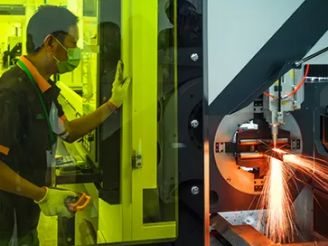
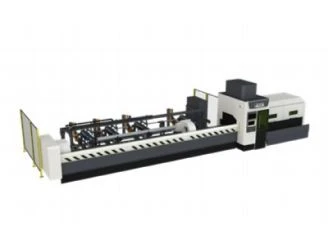
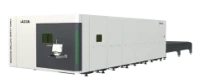
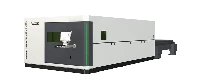
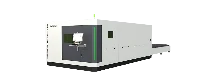
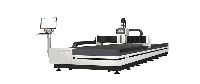
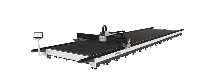
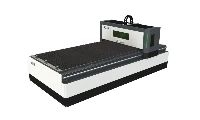
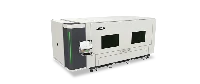
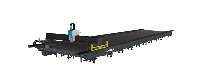
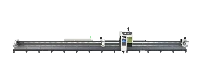
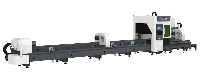
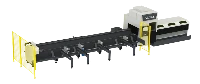
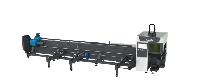
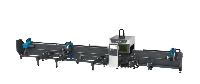
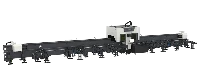
Fiber laser cutting is a metal processing method that uses a high-energy laser beam generated through a fiber laser source and focused onto the workpiece. The concentrated energy heats and melts or vaporizes the material along a programmed cutting path, while an assist gas helps remove molten material from the cutting area. Controlled through a CNC system, fiber laser cutting is commonly used for processing sheet metal and, with dedicated equipment, tubes and metal profiles. It can be applied to materials such as carbon steel, stainless steel, aluminum, copper, brass, and other metals, depending on the machine configuration and cutting requirements. This process produces a narrow cut width with minimal heat-affected zone, resulting in high edge quality.
What Is Plasma Cutting?
Plasma cutting is a thermal cutting process that uses an electrically conductive gas to create a high-temperature plasma arc between the cutting torch and the workpiece. The heat generated by the arc melts the metal, while the high-velocity gas flow removes molten material from the cutting path. Because the process requires an electrically conductive workpiece, plasma cutting is primarily used for metals and is commonly applied to carbon steel, stainless steel, aluminum, and other conductive materials. Plasma cutting is widely used in metal fabrication, structural steel processing, repair work, and other applications involving a range of material thicknesses, and is particularly effective for processing thicker metal plates.
What Is the Difference Between Fiber Laser Cutting and Plasma Cutting?
Although both processes use thermal energy to cut metal, their operating principles and resulting processing characteristics differ. The following table provides a general comparison between the two technologies.
|
Comparison Factor |
Fiber Laser Cutting |
Plasma Cutting |
|
Cutting Principle |
Uses a focused high-energy laser beam to heat and cut the material. |
Uses a high-temperature plasma arc to melt electrically conductive material. |
|
Suitable Materials |
Can process a range of metals, including carbon steel, stainless steel, aluminum, copper, and brass, depending on machine configuration. |
Primarily used for electrically conductive metals such as steel, stainless steel, and aluminum. |
|
Cutting Precision |
Generally suitable for applications requiring higher dimensional accuracy, narrow kerfs, and detailed contours. |
Suitable for general metal cutting where extremely fine precision may not be the primary requirement. |
|
Kerf Width |
Typically produces a narrower cutting kerf. |
Generally produces a wider kerf compared with fiber laser cutting. |
|
Edge Condition |
Can produce relatively clean and consistent edges under appropriate cutting parameters. |
Edge condition can vary depending on material thickness, plasma system, and cutting parameters, and some applications may require additional finishing. |
|
Material Thickness |
Commonly used for thin to medium metal processing, while high-power systems can extend the applicable thickness range. |
Commonly used across a wide range of thicknesses and is often considered for heavier plate and structural metal applications. |
|
Processing Speed |
Can provide high cutting speeds, particularly for suitable thin and medium-thickness materials. |
Cutting speed varies according to the plasma system, material type, and material thickness. |
|
Heat Input |
Uses a concentrated laser beam with localized heat input. |
Uses a high-temperature plasma arc with a broader thermal effect around the cutting area. |
|
Workpiece Types |
Suitable for sheet metal and, with dedicated machines, tubes and metal profiles. |
Commonly used for metal plates, structural components, and other conductive metal workpieces. |
|
Automation Potential |
Can be integrated with CNC control, automated loading and unloading, material handling, and tube processing systems. |
Can also be CNC-controlled and integrated into automated cutting systems depending on the equipment configuration. |
|
Typical Applications |
Precision sheet metal fabrication, machinery components, enclosures, metal furniture, automotive parts, tubes, and profiles. |
Structural steel fabrication, general metal cutting, heavy metal components, repair work, and other conductive metal processing applications. |
Which Technology Fits Your Business?
The appropriate choice depends on the materials being processed, product requirements, and the overall production workflow.
Choose Fiber Laser Cutting If You
Process Thin to Medium Metal Materials - Fiber laser cutting is commonly used for sheet metal applications where material type, thickness range, and production requirements are suitable for laser processing.
Require Higher Cutting Precision - It can be a suitable option for parts with detailed contours, narrow features, small holes, or tighter dimensional requirements.
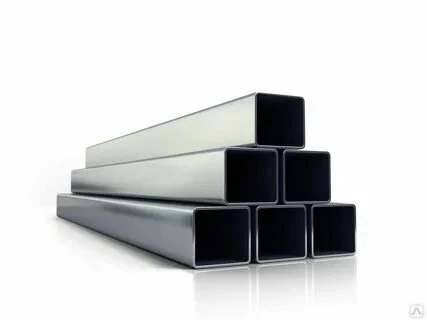
Produce Sheet, Tube, or Profile Components - Dedicated fiber laser cutting equipment is available for flat sheets, round tubes, square and rectangular tubes, and other metal profiles.
Want to Reduce Secondary Finishing - Under appropriate cutting conditions, fiber laser cutting can produce cleaner edges that may reduce the amount of additional processing required for certain applications.
Plan to Integrate Automated Production - Fiber laser systems can be configured with automated loading, unloading, material handling, and other production-line equipment.
Choose Plasma Cutting If You
Primarily Process Conductive Metals - Plasma cutting requires an electrically conductive workpiece and is commonly used for steel, stainless steel, aluminum, and other conductive materials.
Regularly Process Thicker Metal Sections - Plasma cutting can be suitable for applications involving heavier plates and structural metal components, depending on the plasma system and required cut quality.
Focus on General Fabrication Tasks - It is widely used for fabrication work where the application does not require highly detailed contours or the narrow kerf typically associated with laser cutting.
Process Large Structural Components - Plasma cutting can be applied to structural steel, large metal parts, and other heavy fabrication workpieces.
Need a Cutting Method for Repair or Fabrication Work - Depending on the production environment and equipment configuration, plasma cutting can be used for workshop fabrication, maintenance, and repair-related metal cutting tasks.
Conclusion
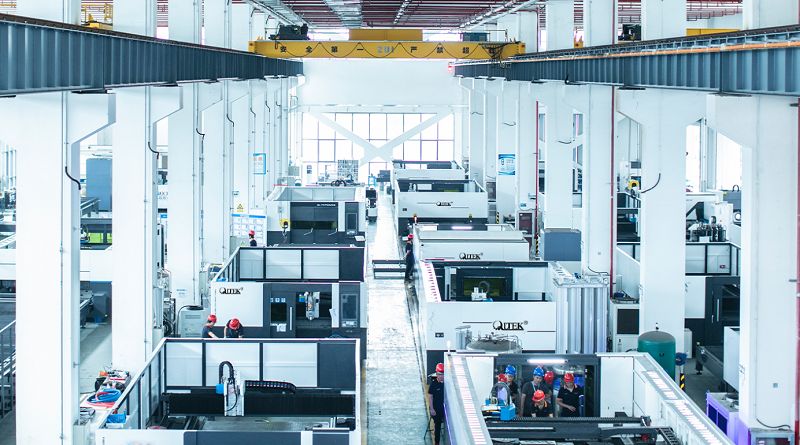
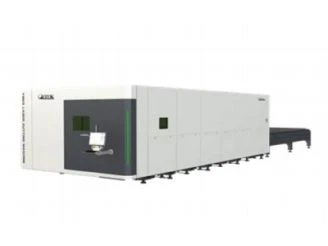
Fiber laser cutting and plasma cutting are both established technologies for metal processing, but they are suited to different production conditions. Fiber laser cutting is commonly selected for applications involving higher precision, detailed profiles, sheet metal, and dedicated tube or profile processing, while plasma cutting remains widely used for conductive metals, heavier sections, and general or structural fabrication work. The right choice should be based on the material, thickness range, required cut quality, workpiece type, production volume, and workflow requirements rather than on a single performance factor. QLTEK provides fiber laser cutting solutions for sheet metal and tube processing with different machine configurations to match a range of metal fabrication requirements. Contact us to discuss your cutting application and explore a suitable fiber laser cutting solution.