











Introduction
The price of a sheet metal laser cutting machine can vary significantly depending on its cutting capacity, working area, machine configuration, and production requirements. A machine designed for thin sheet processing and standard production may require a different configuration from one intended for thick metal plates, large-format processing, or continuous high-volume production. For buyers, understanding what affects the cost of a sheet metal laser cutting machine makes it easier to compare equipment based on actual production needs rather than looking at the initial price alone.

What Can a Sheet Metal Laser Cutting Machine Handle?
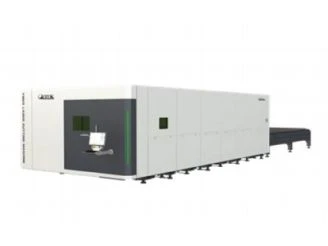
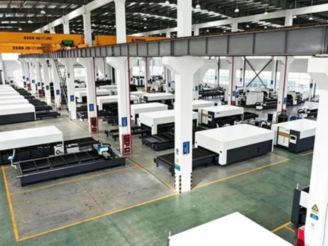
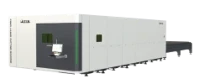
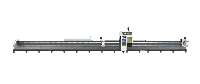
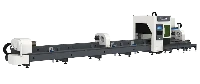
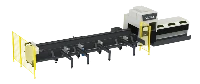
A sheet metal laser cutting machine can process a wide range of metal materials, thicknesses, sheet sizes, and production requirements. Fiber laser cutting is commonly used for materials such as carbon steel, stainless steel, aluminum, galvanized steel, copper, and brass, while different laser power levels allow machines to handle different thickness ranges. Working areas can range from standard sheet formats to large- and ultra-large-format configurations for longer or wider workpieces. Depending on the machine configuration, these systems can also support standard production, high-speed processing, continuous operation, and higher-volume manufacturing. Typical applications include metal fabrication, machinery components, construction equipment, automotive parts, electrical enclosures, agricultural machinery, and other industrial products. The required processing range therefore provides an important basis for determining the appropriate machine configuration.
What Factors Affect Sheet Metal Laser Cutting Machine Price?
Several equipment and configuration factors can influence the final price of a sheet metal laser cutting machine.
Laser Power and Cutting Capacity
Laser power is one of the main factors affecting machine cost because it influences the range of materials and thicknesses the equipment can process. Higher-power configurations can support more demanding cutting applications and may require corresponding upgrades to the laser source, cutting head, motion system, cooling system, and other components. Buyers processing mainly thin or medium-thickness sheets may not need the highest available power, while thicker plates or higher cutting speeds may require a more powerful configuration. The appropriate laser power should therefore be determined according to material types, thickness ranges, cutting requirements, and expected production volume rather than selected simply by maximum power.
Working Area and Machine Format
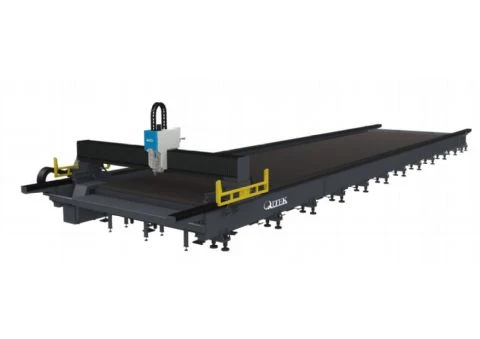
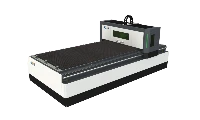
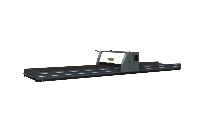
The working area can also affect machine price because larger processing formats require larger machine beds, longer travel distances, and corresponding structural and motion-system configurations. Standard sheet processing may require a conventional working area, while large or extended workpieces may require larger-format machines. Sheet metal laser cutting machines can be configured with working areas ranging from around 3,000 × 1,500 mm to much larger formats extending several meters in length. Specialized configurations can also support ultra-large sheets and extended working lengths. Buyers should therefore select a working area based on the sheet sizes most frequently processed rather than automatically choosing the largest available format.
Machine Configuration and Automation Level
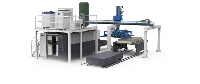
The level of automation is another factor that can influence the overall equipment investment. A basic machine may be suitable when operators manually load and unload sheets, while higher-volume production may benefit from dual-platform operation, automatic loading and unloading, or integrated material storage. Single- and dual-platform configurations support different production workflows, while automated material handling can reduce manual loading tasks and help maintain more continuous processing. The appropriate automation level should be considered in relation to production volume, labor availability, cycle time, material handling requirements, and future expansion rather than added solely to increase machine specifications.
Machine Structure, Cutting Head and Optional Functions
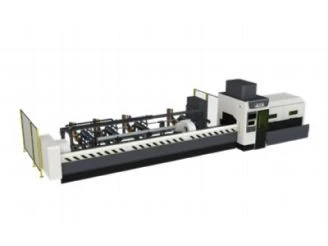
The machine's mechanical structure and auxiliary configuration can also contribute to its final price. Components such as the machine bed, beam structure, cutting head, lubrication system, dust extraction system, and optional processing mechanisms can vary between machine configurations. A rigid machine structure can support stable movement during high-speed cutting, while an automatic focusing cutting head can simplify focus adjustment for different processing conditions. Other options, such as multi-axis rotation mechanisms or specialized lifting systems, may be relevant for specific applications rather than standard sheet cutting. Buyers should therefore compare the complete machine configuration and included functions instead of judging equipment value based only on laser power.
What Should Buyers Look for in a Sheet Metal Laser Cutting Machine?
When evaluating different machines, buyers should consider the equipment's suitability for their actual production conditions.
- Match the Machine to the Material Range - Confirm that the machine can process the main materials and thicknesses required for current and planned production.
- Check the Working Area - Select a cutting area that accommodates the sheet sizes most commonly used while fitting the available factory space.
- Consider Production Capacity - Evaluate cutting speed, acceleration, platform configuration, and expected production volume rather than relying only on the maximum advertised speed.
- Review Automation Requirements - Determine whether manual loading is sufficient or whether automatic loading, unloading, and material storage would provide a practical production benefit.
- Compare the Complete Configuration - Check the laser source, cutting head, machine bed, control system, auxiliary equipment, and optional functions included in each quotation.
- Consider Long-Term Operating Needs - Look beyond the purchase price and consider maintenance, consumables, energy use, technical support, and potential production downtime.
Conclusion
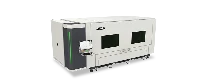
The price of a sheet metal laser cutting machine is influenced by more than its laser power. Working area, cutting capacity, machine structure, cutting head, automation level, and optional functions can all affect the final equipment configuration and investment. Buyers should therefore match the machine to their materials, sheet thickness, workpiece size, production volume, and automation requirements before comparing quotations. QLTEK provides sheet metal laser cutting machines covering different power levels, working formats, machine configurations, and automation options, including high-speed, large-format, ultra-high-power, fully enclosed, and ultra-large-format solutions for applications such as sheet metal fabrication, construction machinery, automotive manufacturing, steel structures, agricultural machinery, and electrical equipment. Contact us to discuss your material, sheet thickness, production volume, and configuration requirements, and find a suitable sheet metal laser cutting machine solution for your application.