


Introduction
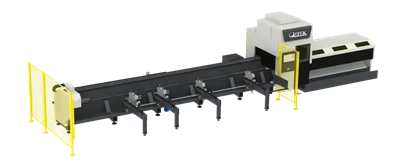
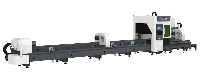
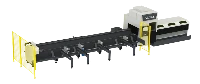
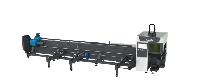
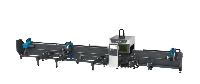
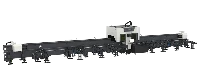
Cutting metal tubes into precise lengths, holes, slots, and connection profiles requires suitable equipment and carefully controlled processing parameters. A fiber laser tube cutter combines a focused laser beam with CNC-controlled tube feeding and rotation to process different cross-sectional shapes. Compared with conventional sawing, drilling, and manual cutting methods, laser tube cutting can integrate multiple cutting operations into a programmed workflow, helping manufacturers improve processing consistency, reduce secondary operations, and make better use of raw materials.
Why Multi-Profile Tube Cutting Demands Specialized Fiber Laser Technology
Round, square, and rectangular tubes differ in geometry, weight distribution, and support requirements, making stable clamping and accurate positioning essential for consistent cutting. Specialized fiber laser tube cutters use suitable chuck configurations, coordinated tube rotation, and CNC-controlled cutting paths to handle these differences. Features such as high-precision chuck systems, anti-vibration support, and adjustable cutting parameters help maintain tube stability during processing, while optional bevel cutting allows compatible configurations to produce angled edges for welding preparation. These capabilities help manufacturers handle varied tube designs with less manual repositioning and greater production flexibility.
How Does a Fiber Laser Tube Cutter Cut Metal Tubes?
A fiber laser tube cutter combines tube loading, CNC positioning, laser processing, and part unloading to produce components according to programmed drawings. The process typically involves four main steps.
How to Cut Round, Square, and Rectangular Tubes with a Fiber Laser Tube Cutter
Each tube profile presents different positioning and cutting considerations. Before processing, manufacturers should confirm the cross-sectional dimensions, wall thickness, material, and required features, then select suitable clamping, support, and cutting parameters.
Cutting Round Tubes
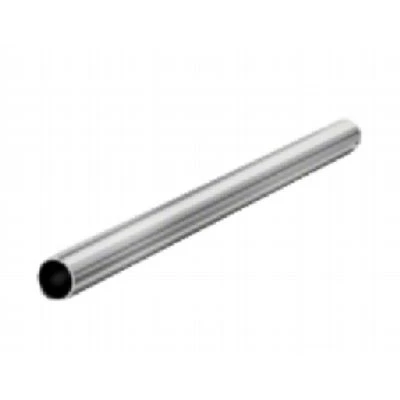
Round tubes require coordinated rotation and laser movement to create holes, slots, notches, and angled end cuts along curved surfaces. Operators should confirm the tube diameter, wall thickness, and feature positions before programming the cutting path. Stable chucking and suitable tube support help control movement during rotation, while appropriate cutting parameters support consistent edge quality around the circumference.
Cutting Square Tubes
Square tubes are commonly used in structural frames, machinery supports, furniture, and equipment enclosures. Processing may involve cutting holes, slots, connection profiles, and intersecting contours across multiple faces. Accurate positioning and stable clamping help ensure that these features align with engineering drawings. Where the application requires welded joints, a compatible bevel-cutting function can also help prepare tube edges for assembly.
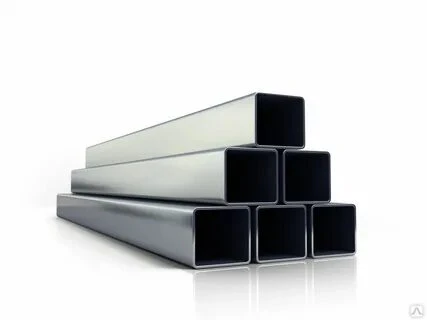
Cutting Rectangular Tubes
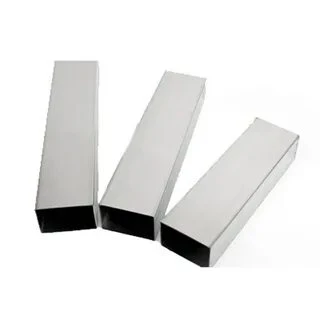
Rectangular tubes have different width and height dimensions, so their orientation and support conditions must be considered during processing. Confirming the tube's dimensions and feature locations helps establish the correct cutting path and machine setup. Suitable chuck configurations and auxiliary support can help stabilize the workpiece, especially when processing long or heavy sections, improving the consistency of holes, slots, and end profiles.
What Factors Affect Tube Laser Cutting Accuracy and Efficiency?
Tube laser cutting performance depends on the machine setup, workpiece characteristics, and processing conditions used for each application.
Conclusion
Cutting round, square, and rectangular tubes with a fiber laser tube cutter requires suitable clamping, accurate CNC positioning, stable tube support, and cutting parameters matched to the material and geometry. Specialized features such as high-precision chuck systems, anti-vibration support, automatic focusing, and optional bevel cutting can help manufacturers handle diverse tube-processing requirements, while the right machine configuration supports better material utilization and production efficiency. QLTEK is a manufacturer of industrial laser processing equipment, offering light-duty, medium-duty, and heavy-duty tube laser cutting machine options for different tube profiles, dimensions, and production needs. Buyers can evaluate the available configurations based on material type, tube size, workpiece weight, cutting complexity, and automation requirements. Contact us to discuss your tube specifications and production goals and find a suitable QLTEK fiber laser tube cutting solution for your operation.