













Introduction
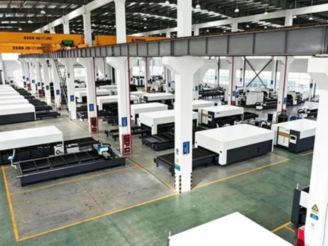
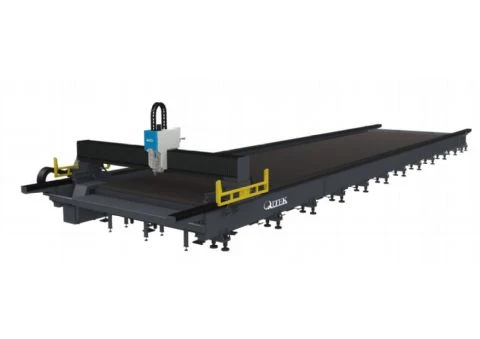
Aluminum has become an increasingly important material in industries such as automotive, aerospace, electronics, and industrial manufacturing due to its lightweight structure, excellent corrosion resistance, and high strength-to-weight ratio. As demand for aluminum components continues to grow, manufacturers require efficient and precise processing methods to achieve complex designs and consistent production quality. Aluminum Sheet Laser Cutting Machines provide an advanced solution for processing aluminum sheets, offering high accuracy, flexible operation, and efficient cutting performance. However, achieving optimal cutting results requires a clear understanding of the factors that influence processing performance, including equipment capability, cutting parameters, and overall machine stability.

Challenges of Aluminum Sheet Laser Cutting
Although aluminum offers many advantages for industrial applications, its unique physical properties also create challenges during laser cutting. Aluminum has high reflectivity and excellent thermal conductivity, which can affect laser energy absorption and heat distribution during the cutting process. Without proper equipment performance and parameter control, manufacturers may experience issues such as unstable cutting results, reduced efficiency, or inconsistent edge quality. In addition, aluminum sheets with different thicknesses and application requirements require suitable cutting capabilities to maintain productivity and precision. Therefore, selecting an advanced laser cutting solution that can effectively handle these challenges is essential for achieving reliable aluminum processing results.
How Laser Power Influences Aluminum Sheet Cutting Performance
The right laser power enables efficient aluminum cutting across different material thicknesses
while maintaining stable processing performance and consistent results.

Adaptability to Different Aluminum Thicknesses
Laser power directly affects the cutting capability of an aluminum sheet laser cutting machine, especially when processing aluminum sheets with different thicknesses. Sufficient and properly configured power output allows the laser beam to penetrate the material effectively, helping manufacturers handle various aluminum processing requirements while maintaining stable cutting performance.

Consistent Cutting Stability
Stable laser power output is essential for maintaining consistent results during continuous aluminum processing. Fluctuations in energy delivery may lead to incomplete cutting or inconsistent performance, while reliable power control helps ensure smoother operations and more predictable results across different production batches.

Optimized Processing Efficiency
The appropriate laser power configuration helps balance cutting capability and production efficiency. By providing sufficient energy for aluminum processing, the machine can achieve effective cutting performance without unnecessary processing limitations, helping manufacturers improve workflow efficiency and maintain reliable production output.
How Cutting Speed Impacts Aluminum Processing Efficiency
Optimized cutting speed helps manufacturers improve production efficiency while maintaining
stable aluminum cutting performance and consistent processing results.

Increased Production Output
Cutting speed directly determines how quickly an aluminum sheet laser cutting machine can complete each processing task. Higher and properly optimized cutting speeds allow manufacturers to increase production output, shorten processing cycles, and improve overall manufacturing efficiency, especially for high-volume aluminum fabrication projects.

Reduced Processing Time
An efficient cutting speed helps minimize the time required for each aluminum sheet, improving workflow efficiency across the entire production process. By reducing unnecessary processing delays, manufacturers can complete more orders within the same production period while making better use of equipment capacity.

Improved Manufacturing Efficiency
Optimizing cutting speed helps manufacturers achieve a better balance between machine performance and production requirements. Instead of simply pursuing maximum speed, a suitable cutting speed ensures stable operation, reduces repeated processing caused by cutting issues, and contributes to more efficient and cost-effective aluminum manufacturing.
How Cutting Quality Determines Aluminum Laser Processing Results
High cutting quality directly affects processing accuracy, material utilization, and
production consistency in aluminum laser cutting applications.

Maintaining Cutting Accuracy
High-quality laser cutting ensures that aluminum sheets are processed according to the required dimensions and design specifications. Precise cutting performance helps reduce dimensional deviations, improve part compatibility, and support applications that require strict manufacturing tolerances.

Minimizing Material Waste
Cutting quality also influences how efficiently aluminum materials are utilized during processing. Stable cutting performance helps reduce defects caused by poor cutting results, such as unusable edges or incorrect dimensions, allowing manufacturers to maximize material usage and control production costs.

Ensuring Consistent Batch Production
For manufacturers handling continuous aluminum processing tasks, maintaining consistent cutting quality across multiple production cycles is essential. Reliable laser cutting performance helps ensure that each aluminum component meets the same quality requirements, reducing variations between batches and improving overall production reliability.
How to Choose the Right Aluminum Sheet Laser Cutting Machine
Selecting the right aluminum sheet laser cutting machine requires careful consideration
of material requirements, production goals, and equipment capabilities
to achieve long-term processing efficiency.
Match Machine Specifications with Aluminum Processing Needs
Different aluminum applications require different cutting capabilities based on sheet thickness, product size, and production volume. Before selecting a laser cutting machine, manufacturers should evaluate their specific processing requirements and choose equipment with suitable laser power, working area, and configuration to ensure efficient operation.
Evaluate Cutting Performance and Machine Flexibility
A reliable aluminum sheet laser cutting machine should provide stable cutting performance while adapting to different production requirements. Features such as precise control systems, flexible parameter adjustment, and compatibility with various aluminum applications help manufacturers handle diverse processing tasks more efficiently.
Consider Long-Term Operational Reliability
Beyond initial equipment performance, manufacturers should also consider the machine's durability, maintenance requirements, and overall service life. Choosing equipment from a reliable supplier helps ensure stable operation, reduce unexpected downtime, and provide continuous support for long-term production needs.
Conclusion
Aluminum sheet laser cutting performance depends on the balance between laser power, cutting speed, and cutting quality. Choosing the right laser cutting machine helps manufacturers improve production efficiency, maintain processing accuracy, reduce material waste, and achieve consistent results for different aluminum applications. With years of experience in laser cutting technology, QLTEK provides reliable sheet metal laser cutting solutions with advanced equipment capabilities and professional support to meet diverse industrial processing needs. Contact us today to learn more about QLTEK's aluminum sheet laser cutting solutions and find the right equipment for your production requirements.