












Introduction
Material utilization is a key factor in controlling production costs in tube laser cutting. While modern laser cutting technology delivers high precision and efficiency, tail material waste remains a common challenge that can reduce material yield and increase manufacturing expenses. By understanding the causes of tail material and adopting effective optimization strategies, manufacturers can maximize the performance of their Tube Metal Laser Cutting Machine, reduce waste, and achieve more cost-effective tube processing.

Understanding Tail Material Waste in Tube Laser Cutting
Tail material waste refers to the unused section of a tube that remains after laser cutting is complete. This leftover material is primarily due to the need to securely clamp and position the tube during machining, which makes it impossible to process the entire length. While some tail material is unavoidable, excessive waste can significantly reduce material utilization, increase production costs, and affect overall manufacturing efficiency. Understanding how tail material is generated is the first step toward identifying effective strategies to minimize waste and improve productivity.
What Causes Tail Material Waste?
Several equipment and programming factors contribute to tail material waste in tube laser cutting. Understanding these causes helps identify the most effective ways to improve material utilization.
- Chuck Clamping Requirements: The chuck must securely hold the tube during cutting, leaving an end section that cannot be processed. The required clamping length directly affects the amount of tail material.
- Cutting Head Clearance: The cutting head requires sufficient space to complete cutting operations safely, creating an unprocessed area near the end of the tube.
- Inefficient Part Nesting: Poor nesting layouts can leave unnecessary gaps between parts, reducing material utilization and increasing waste.
- Tube Slippage and Unstable Feeding: Tube movement caused by unstable feeding or insufficient clamping may require larger safety margins, resulting in increased tail material.
- Machine Configuration: Standard 2-chuck machines cannot fully process the end of the tube because it must remain securely clamped, leaving longer tail material.
How to Reduce Tail Material Waste
Reducing tail material waste requires the right combination of machine technology, optimized programming, and efficient production practices.
Using machines with 3-chuck or "2+1" chuck configurations is one of the most effective ways to reduce tail material waste. Unlike standard 2-chuck systems that leave a longer clamping tail, these configurations transfer the tube between chucks, allowing the cutting head to process almost the entire tube length and improve machine output.
Optimizing nesting layouts and cutting programs helps maximize the number of parts produced from each tube. Efficient part arrangement reduces unused gaps, improves material utilization, and minimizes unnecessary tail material.
Selecting a tube laser cutting machine that matches your tube sizes, wall thicknesses, and production volume helps improve cutting efficiency. Choosing the right machine configuration also reduces unnecessary material waste caused by mismatched processing capacity.
Accurate tube positioning and stable feeding help minimize unnecessary safety margins during cutting. This allows more of the tube to be processed while maintaining consistent cutting quality and reducing tail material.
Proper machine setup, regular maintenance, and consistent operating parameters help maintain stable cutting performance. Monitoring tail material over time also allows manufacturers to identify optimization opportunities and continuously improve material utilization.
How Modern Tube Laser Cutting Machines Improve Material Utilization
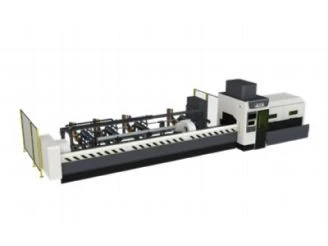
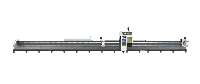
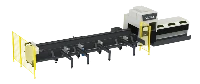
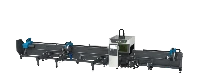
Taking QLTEK's K Series and L+ Series tube laser cutting machines as examples, modern technologies
are designed to maximize material utilization while significantly reducing tail material waste.

Multi-Chuck Configurations

High-Precision Chuck System

Wide Tube Processing Range

Zero-Waste Cutting Technology
Conclusion
Reducing tail material waste is essential for improving material utilization, lowering production costs, and increasing overall manufacturing efficiency in tube laser cutting. By selecting the right machine configuration and optimizing cutting processes, manufacturers can achieve more efficient and cost-effective production. QLTEK offers advanced tube laser cutting machines with innovative multi-chuck configurations and zero-waste cutting technology to help maximize material utilization across a wide range of applications. Contact us today to find the right tube laser cutting solution for your production needs.