







Introduction

As metal fabrication becomes more precise and production requirements continue to vary, manufacturers need cutting equipment that can handle different materials, thicknesses, and component designs with consistent results. Traditional cutting methods may not always provide the combination of speed, precision, and flexibility required for modern sheet metal processing. This has made laser cutting an increasingly important option for industrial metal fabrication, particularly when manufacturers need to process sheet materials into accurately defined shapes and patterns.
What Is a Sheet Metal Laser Cutting Machine?
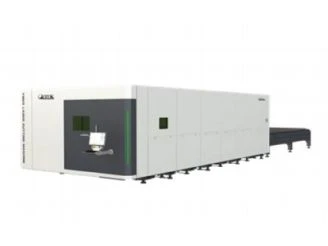
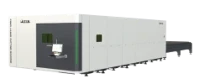
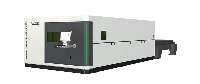
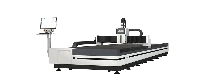
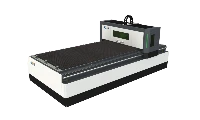
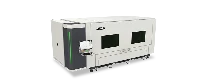
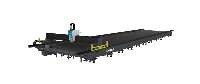
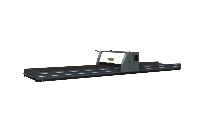
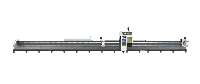
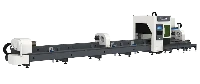
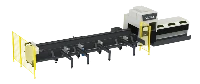
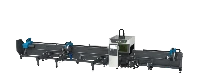
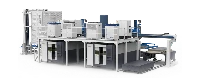
A sheet metal laser cutting machine is a CNC-controlled cutting system that uses a focused laser beam to cut metal sheets into specified shapes and dimensions. Depending on the machine configuration, it can process materials such as carbon steel, stainless steel, aluminum, copper, brass, and galvanized steel across different thickness ranges. The equipment can be used for straight cuts, holes, contours, and other complex profiles, making it suitable for a wide range of industrial sheet metal processing requirements.
What Factors Should You Consider When Buying a Sheet Metal Laser Cutting Machine?
Selecting a sheet metal laser cutting machine requires looking at the actual requirements of your metal processing work rather than comparing a single specification. The following factors can help determine whether a machine is suitable for your intended applications:

Laser Power
Laser power should be selected according to the materials and thicknesses that need to be processed. Different power levels provide different cutting capabilities, so the appropriate configuration should be based on the actual range of sheet metal used in production rather than simply choosing the highest available power.

Material and Thickness
The machine should be capable of processing the metals and thickness ranges required for your applications. Carbon steel, stainless steel, aluminum, copper, brass, and galvanized steel can have different cutting requirements, making material compatibility an important part of equipment selection.

Cutting Area
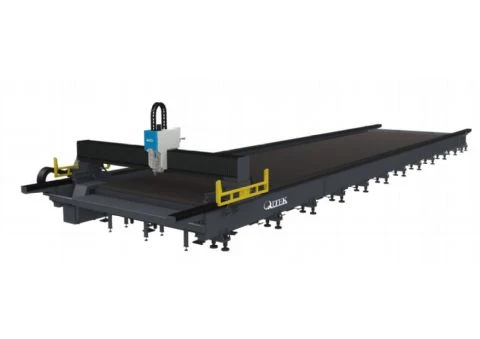
The working area should accommodate the sheet sizes commonly used in production. A suitable cutting area allows the machine to process the required material dimensions without unnecessary repositioning, while larger-format production may require a correspondingly larger working range.

Cutting Speed
Cutting speed affects how efficiently the machine can process sheet metal during production. However, the practical cutting speed depends on factors such as laser power, material type, thickness, and cutting conditions, so buyers should evaluate overall cutting performance rather than relying only on the maximum stated speed.

Machine Configuration
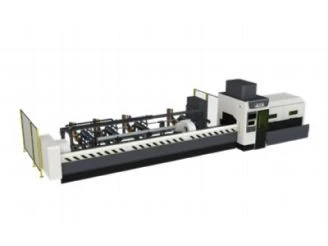
The machine configuration should correspond to the intended production process. Options such as single or dual platforms, automatic focusing cutting heads, automatic lubrication, and dust extraction systems can influence how the equipment operates and how it fits into a particular production setup.

Automation Requirements
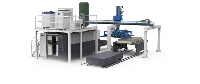
The appropriate level of automation depends on production volume and the amount of manual handling involved. For operations requiring frequent material movement or continuous production, automated loading, unloading, or storage solutions may be worth considering as part of the overall equipment configuration.
What Production Benefits Can a Sheet Metal Laser Cutting Machine Offer?
For industrial buyers, a sheet metal laser cutting machine can provide practical benefits beyond basic cutting, including:
- Efficient Sheet Metal Processing - Programmed cutting paths allow different shapes and patterns to be processed without changing mechanical cutting tools.
- Consistent Cutting Results - CNC-controlled movement and cutting parameters help maintain repeatable results across production batches.
- Flexible Part Production - The machine can produce different holes, contours, and complex profiles according to programmed cutting paths.
- Reduced Manual Processing - Automated cutting and functions such as automatic focusing can reduce repetitive operator involvement.
- Adaptable Production - Laser power, working area, and automation options can be configured according to different material and production requirements.
Where Are Sheet Metal Laser Cutting Machines Commonly Used?
Sheet metal laser cutting machines are used across several industries where metal sheets
need to be processed into accurately shaped panels, structures, and components.
Sheet Metal Fabrication
In general sheet metal fabrication, laser cutting is used for custom panels, housings, brackets, and other fabricated products. Its CNC-controlled cutting process allows manufacturers to handle different designs and production quantities with greater flexibility.
01
Construction & Engineering Machinery
Engineering machinery often requires large and heavy metal structures with precisely cut openings, profiles, and mounting areas. Laser cutting can support the preparation of these sheet metal sections before subsequent forming, welding, and assembly processes.
02
Automotive Manufacturing
Automotive production involves metal components with varied shapes, dimensions, and cutting patterns. Laser cutting can be used for body-related panels, structural sections, brackets, and other sheet metal parts where consistent dimensions are required.
03
Agricultural Machinery
Agricultural equipment such as tractors, harvesting machines, and farming implements use various sheet metal structures and fabricated components. Laser cutting supports the production of these parts according to different equipment designs and specifications.
04
Electrical & Power Equipment
Electrical cabinets, control enclosures, distribution equipment, and related products often require precisely positioned openings, mounting holes, and panel cutouts. Laser cutting allows these patterns to be produced directly from programmed designs.
05
Conclusion
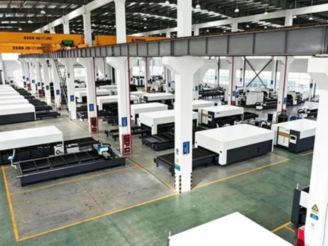
Choosing a sheet metal laser cutting machine requires looking beyond individual specifications and considering how the equipment fits your materials, production requirements, and intended applications. Laser power, cutting area, material compatibility, machine configuration, and automation options should be evaluated together to identify a suitable solution for long-term production. QLTEK provides sheet metal laser cutting machines with different configurations for industrial metal processing requirements, supporting applications across sheet metal fabrication, machinery, automotive, agricultural, and electrical equipment manufacturing. Contact us to discuss your cutting requirements and find a suitable sheet metal laser cutting solution for your production.