


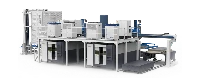



Introduction
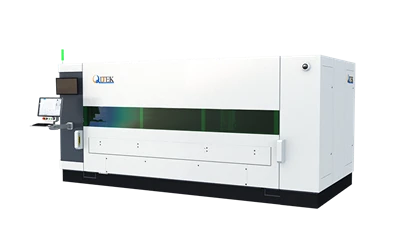
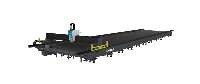
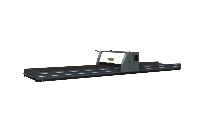
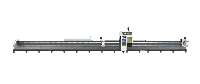
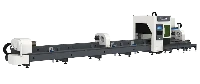
Thick metal plates are widely used in steel structures, heavy machinery, shipbuilding, and other demanding industrial applications. Compared with thin-sheet processing, thick-plate cutting places greater demands on equipment capability, processing stability, and overall productivity. Choosing a suitable cutting technology therefore becomes an important consideration when working with different plate materials, thicknesses, and production requirements.

Why Is High Laser Power Important for Thick Plate Cutting?
High laser power provides a stronger and more concentrated energy input, allowing the cutting beam to penetrate thicker metal more effectively. This higher energy level can support faster processing within suitable material and thickness ranges, while helping maintain a stable cutting process and efficient removal of molten material. For applications involving thick carbon steel, stainless steel, or other heavy plates, selecting an appropriate power level can therefore have a direct impact on cutting capacity, processing efficiency, and edge quality.
What Factors Should You Consider When Choosing a Fiber Laser Cutting Machine for Thick Plates?
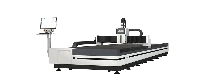
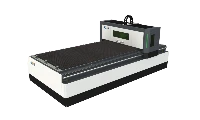
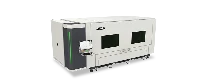
The required machine configuration depends on the material, plate size, thickness range, and production requirements. Buyers should evaluate the following factors rather than selecting equipment based on laser power alone.

Laser Power and Material Thickness
The laser power should correspond to the material type and maximum plate thickness that the machine is expected to process. Consider the typical thickness range as well as the required cutting speed to determine whether the available power provides sufficient processing capacity.

Working Area and Plate Size
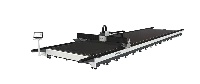
The working area should accommodate the dimensions of the plates being processed. For large-format applications, a sufficiently large cutting area can reduce the need for repositioning and allow larger plates to be processed more efficiently.

Machine Bed and Load Capacity
Thick and large plates place greater demands on the machine structure. A rigid machine bed and adequate load capacity help provide stable support during cutting and maintain positioning performance when handling heavy workpieces.

Dust Extraction System
Thick-plate cutting can generate considerable smoke, dust, and cutting fumes, particularly during high-power operation. Buyers should consider the machine's dust extraction design, including the extraction capacity and whether the cutting area uses zoned or segmented extraction, to maintain a cleaner working environment and support stable equipment operation.

Cutting Head and Bevel Cutting
If the application involves weld preparation or complex structural components, consider whether the cutting head supports bevel cutting. Multi-axis configurations can provide greater flexibility for producing different groove geometries and angled edges.

Motion Accuracy and Speed
Cutting speed should be considered together with positioning accuracy and motion stability. A machine needs to maintain accurate movement while processing large and heavy plates, particularly when cutting complex contours or precision components.
What Applications Can Benefit from High-Power Fiber Laser Cutting?
High-power fiber laser cutting is well suited to thick materials, large workpieces, and
demanding cutting applications across different industries.
- Sheet Metal Fabrication
- Construction Machinery
- Automotive Manufacturing
- Agricultural Machinery
- Steel Structure & Architecture
-
 Sheet Metal Fabrication
Sheet metal fabrication covers a wide range of cutting, forming, and assembly applications involving carbon steel, stainless steel, aluminum, and other sheet materials. High-power fiber laser cutting can support different plate thicknesses and complex cutting patterns, making it suitable for manufacturers handling varied metal fabrication requirements.
-
 Construction Machinery
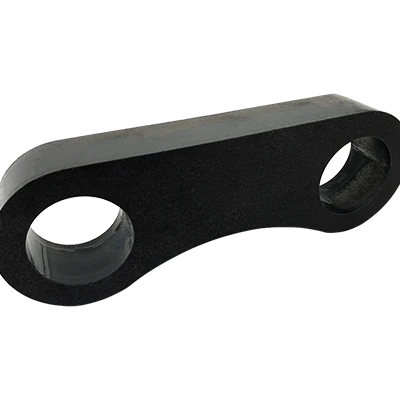
Construction machinery often uses carbon steel and high-strength steel plates for structural plates, brackets, and other load-bearing components. High-power fiber laser cutting can efficiently process different plate thicknesses while producing round, square, and special-shaped holes as well as complex contours.
-
 Automotive Manufacturing
Automotive production involves high-strength steel, aluminum alloys, and stainless steel for body panels, chassis components, exhaust parts, and structural brackets. Large-format laser cutting systems can process larger sheets with fewer repositioning steps while accommodating complex geometries and smooth cutting edges.
-
 Agricultural Machinery
Agricultural machinery components such as harvester frames, seeder parts, blades, and protective housings often use carbon steel and wear-resistant steel. High-power laser cutting supports fast and stable processing of these heavy-duty materials, helping meet the production demands of agricultural equipment manufacturing.
-
 Steel Structure & Architecture
Steel structure and architectural applications can involve both structural components and decorative metal work. High-power fiber laser cutting can handle thicker metal materials while also supporting complex patterns, customized shapes, and bevel cutting, making it suitable for projects requiring both structural strength and design flexibility.
Conclusion
Choosing a high-power fiber laser cutting machine for thick plates requires more than simply selecting a higher laser power. Material thickness, working area, machine structure, cutting capability, dust extraction, and production requirements all influence whether a machine is suitable for the intended application. Matching these factors to actual processing needs can help buyers achieve stable cutting performance while avoiding unnecessary equipment costs. QLTEK provides high-power fiber laser cutting solutions for demanding metal fabrication applications. Contact us to discuss your thick plate cutting requirements and find a suitable solution for your production needs.