


Introduction
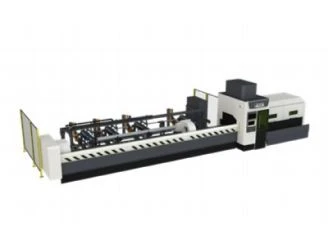
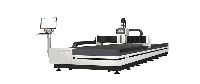
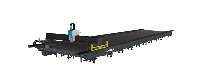
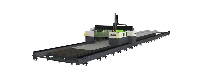
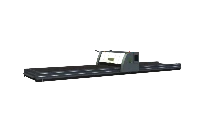
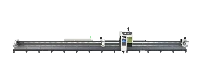
Thin sheet fiber laser cutting machines have become a pivotal technology in modern metal fabrication, designed to process thin gauge materials efficiently across diverse manufacturing sectors. As fiber laser technology becomes widely adopted worldwide, basic cutting capability is no longer the sole defining factor for fabrication success. Modern manufacturing environments increasingly prioritize dynamic performance, edge accuracy, and overall processing cost management to meet fast-evolving market demands. For workshops aiming to upgrade their production capabilities, high-speed fiber laser systems offer a balanced integration of high-rigidity structural design and versatile laser controls tailored for thin-gauge metal components.

Why Does a Thin Sheet Fiber Laser Cutting Machine Still Hold Strong Investment Value for Fabricators?
Investing in a thin sheet fiber laser cutting machine offers significant operational and financial value, primarily driven by improved processing efficiency and reduced cost-per-part across various batch sizes. Compared to traditional mechanical punching or legacy cutting techniques, modern fiber laser systems feature higher photoelectric conversion efficiency, which helps optimize overall energy use and operational overhead. Additionally, their high processing dynamics allow manufacturers to shorten order turnaround times, increase floor throughput, and adapt flexibly to rapid prototype changes or high-volume production schedules.
What Product Features Make a Thin Sheet Fiber Laser Cutting Machine More Competitive?
To maintain high reliability in demanding production environments, thin sheet fiber laser cutters incorporate key engineering design elements that maximize motion control and operational stability.
High-Dynamic Motion
Modern machine designs utilize lightweight gantry structures-such as optimized aluminum alloy or structural steel gantries-paired with high-acceleration drive systems. This reduces inertial lag during rapid direction changes, allowing the laser head to maintain smooth acceleration and tight path accuracy over intricate contours.
Auto-Focus Laser Head
Equipped with real-time height tracking sensors and automated focal positioning, the cutting head automatically adjusts focus to accommodate surface variations across thin metal sheets. Integrated cooling channels and protective optics help guard internal components against thermal distortion and spatter during continuous operation.
Rigid Machine Bed
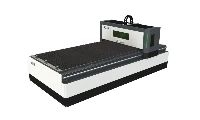
Depending on production requirements, machines utilize precision-welded or modular bed structures engineered to absorb kinetic vibrations generated during rapid axis movement. Effective vibration dampening prevents edge chatter and ensures long-term geometric accuracy.
Intelligent Auxiliary Systems
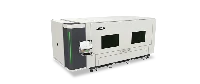
To support continuous operation, equipment is typically fitted with automated lubrication networks and targeted dust extraction systems. These auxiliary features protect moving mechanics from debris build-up while maintaining a clean, compliant operating environment.
What Operational Needs Can a Thin Sheet Fiber Laser Cutting Machine Address?
By addressing the physical behavior of thin gauge sheet metal, fiber laser technology solves multiple
common shop-floor challenges across different application scenarios.
Micro-Pattern Cutting
Capable of processing dense hole arrays, narrow slots, and intricate geometric cutouts commonly required in electrical enclosures, control panels, and decorative metalwork without causing edge burrs or material distortion.
Thermal Distortion Control
By concentrating energy into a narrow kerf width, fiber lasers significantly minimize the Heat-Affected Zone (HAZ). Rapid energy deposition prevents warping, thermal bowing, or surface discoloration on thin stainless steel, mild steel, and aluminum sheets.
Scratch-Free Processing
Non-contact laser processing, coupled with sensitive height tracking algorithms, maintains a consistent standoff distance above the sheet. This preserves surface coatings and finishes on delicate, polished, or reflective materials like brass, copper, and galvanized metals.
Immediate Assembly Readiness
Delivers smooth, dross-free edge profiles across various material types, drastically reducing or eliminating the need for manual deburring and secondary grinding before components proceed to bending, welding, or final assembly.
How Should Fabricators Evaluate a Thin Sheet Laser Cutting Machine for Their Production Line?
Choosing the optimal machine setup requires plant managers and engineering teams to evaluate several configuration options based on their specific material mix and workflow.
- Laser Power & Material Thickness Matching: Select a power range tailored to your primary material thickness to achieve the ideal speed-to-cost ratio, avoiding unnecessary power overhead while ensuring clean cuts.
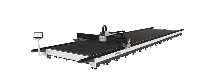
- Worktable Format & Platform Type: Evaluate whether a single worktable fits your operational footprint or if a dual-exchange platform is required to enable non-stop sheet loading and unloading.
- Automation & Storage Integration: Consider system compatibility with modular loading/unloading mechanisms and automated material storage to support future production scaling and automated operations.
- Manufacturing Standards & Factory Support: Assess the supplier's build quality, compliance with international safety standards (such as ISO, CE, or FDA certifications), and the availability of responsive technical support and replacement parts.
Conclusion
Thin sheet fiber laser cutting machines remain an essential asset for manufacturers seeking high-speed processing, tight tolerances, and versatile material capability. By reducing secondary finishing requirements and lowering overall operational costs, these flexible cutting solutions empower fabricators to remain competitive across diverse industrial markets. Contact us at QLTEK today to learn more about our sheet metal laser cutting options, request sample cutting evaluations, or discuss tailored configurations for your facility's production requirements.