


Introduction
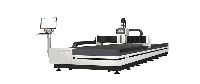
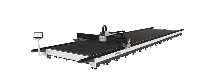
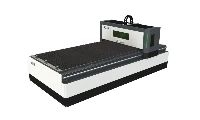
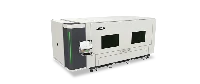
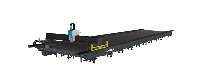
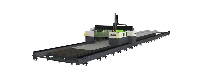
Heavy industrial manufacturing is undergoing a major shift as high-power fiber laser systems replace legacy thermal cutting equipment in thick plate fabrication. While traditional oxy-fuel and plasma methods long dominated the processing of medium and heavy gauge metals, they often introduce significant thermal distortion, rough surface finishes, and labor-intensive secondary operations. Modern structural engineering demands tighter tolerances, clean cut profiles, and streamlined throughput on materials exceeding 12 mm in thickness. Advanced thick plate fiber laser cutting machines fulfill these requirements by unifying high power output, reinforced mechanical stability, and intelligent process control-delivering an efficient solution tailored for heavy machinery, steel structures, and shipbuilding sectors.
Why Are Heavy Fabricators Transitioning from Legacy Thermal Cutting to Thick Plate Fiber Lasers?
The widespread shift toward thick plate fiber laser cutting is primarily driven by the urgent need to eliminate the operational bottlenecks associated with conventional oxy-fuel and plasma technologies. Traditional thermal cutting methods produce wide kerf gaps, heavy dross, and severe heat-affected zones that require extensive secondary edge grinding, bevel milling, and flame straightening. Transitioning to high-power fiber lasers enables manufacturers to complete complex thick-plate jobs in a single automated step. This technology shift dramatically shortens production lead times, minimizes material scrap through tighter nesting, and gives heavy engineering workshops complete in-house control over their supply chain and quality standards.
What Engineering Features Enable High-Performance Thick Plate Laser Cutting?
To achieve consistent precision and structural reliability under high-power laser radiation, thick plate cutting systems rely on core engineering design principles built to handle extreme thermal and physical demands.
High-Power Beam Shaping
Industrial thick plate systems utilize high-wattage fiber laser sources (typically ranging from 12 kW to 60 kW+) integrated with variable beam-shaping optics. This allows dynamic adjustment of the focal diameter and energy density distribution to maintain stable melt-pool ejection across plate thicknesses exceeding 12 mm to 50 mm.
Reinforced Load-Bearing Architecture
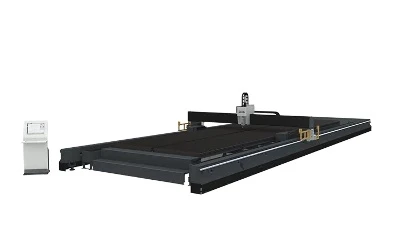
To accommodate heavy raw material slabs, machine beds are constructed with heavy-duty, stress-relieved welded frames or segmented table structures. This structural design isolates the workpiece weight from sensitive motion guides, preventing frame deflection and maintaining long-term geometric alignment under multi-ton plate loads.
Thermal-Resistant Optical Systems
Operating at multi-kilowatt power levels generates intense radiant heat and back-reflections during deep piercing. Modern cutting optics incorporate multi-stage internal fluid cooling, high-pressure gas flow channels, and sealed protective lens cartridges to minimize thermal lensing and protect internal optical components.
Multi-Axis Beveling Mechanisms
For heavy structural applications requiring weld preparation, machines are frequently equipped with articulated 3D laser heads. These multi-axis mechanisms support infinite rotation and angle tilting up to ±45 degrees, allowing V, X, and K bevel profiles to be cut directly into thick plates in a single setup.
What Key Industry Applications Rely on Thick Plate Fiber Laser Cutting Machines?
High-power fiber laser machines serve as a primary processing solution across heavy industries that require high structural strength, precise component fitting, and heavy gauge material capability.
Construction & Earthmoving Machinery
Enables precise blanking of thick carbon steel chassis components, excavator boom arms, crane frames, and wear-resistant bucket plates with clean edges ready for heavy structural welding.
Steel Structure & Architectural Engineering
Processes heavy gussets, base plates, connection flanges, and thick structural steel plates with complex bolt hole patterns, ensuring dimensional accuracy for bridge, high-rise, and industrial framework assembly.
Shipbuilding & Maritime Fabrication
Effortlessly cuts thick marine-grade carbon steel and stainless steel hull plates, deck stiffeners, and bulkheads, utilizing multi-axis bevel cutting to prepare edges directly for deep-penetration weld joints.
Agricultural & Heavy Equipment
Delivers high-precision cuts on thick wear-resistant alloys and structural plates used in harvester chassis, tractor frames, and heavy tillage tools, ensuring long-term durability under extreme mechanical loads.
How Should Fabricators Evaluate a Thick Plate Laser Cutting Machine for Their Production Line?
Plant managers and engineering leads must carefully evaluate several technical parameters to select a heavy-plate cutting setup tailored to their production demands.
- Wattage & Penetration Capacity: Select laser power (e.g., 12 kW, 20 kW, 30 kW, or higher) based on your maximum production plate thickness to balance cutting speed against capital expenditure.
- Bed Format & Heavy Load Handling: Verify that the machine frame, slat arrangement, and shuttle table mechanism are rated to support your maximum plate dimensions and weight requirements safely.
- Weld-Prep & Beveling Requirements: Determine if your downstream assembly process benefits from an integrated 3D beveling head to automate weld beveling directly on the laser bed.
- Optical Maintenance & Technical Support: Review the manufacturer's build standards (including ISO/CE certifications), spare optical component availability, and promptness of field technical service for high-power laser sources.
Conclusion
High-power thick plate fiber laser cutting machines represent a vital technological advancement for fabricators handling heavy structural components. By combining rapid penetration, exceptional edge straightness, and optional beveling capabilities into a single automated step, these robust systems enable manufacturers to lower operational overhead while raising structural quality. Contact us at QLTEK today to explore our heavy-duty sheet metal laser cutting solutions, request plate cutting sample demonstrations, or consult with our technical specialists to build the ideal machine setup for your facility.